Curcuma longa

Turmeric

Known for the intense yellow color of its rhizome, turmeric is an aromatic tropical plant from the same family as ginger. Used as a spice and natural coloring agent, it also produces lush foliage and particularly decorative inflorescences.
Nom scientifique :
Curcuma longa
Nom vernaculaire :
Turmeric, Indian Saffron
Carte d’identité
de l’espèce
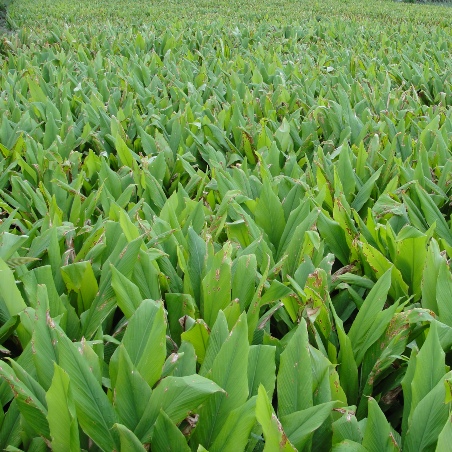
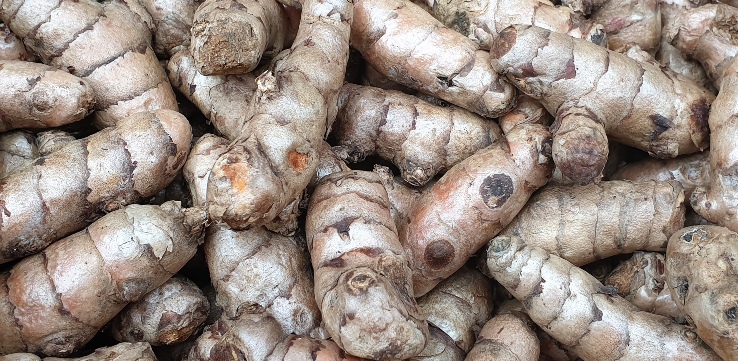
Turmeric is a perennial herbaceous plant that grows from fleshy underground rhizomes. Its large green leaves emerge directly from the ground, forming a dense clump. Beneath the soil lies the most well-known part of the plant: a rhizome with orange-yellow flesh, rich in natural pigments.
Famille :
Zingiberaceae
Origine géographique :
Indian subcontinent and Southeast Asia
Taille :
60cm to 100cm
Floraison :
June to October
Habitat :
Warm and humid tropical regions, in rich, loose, and well-drained soil
Classe :
Liliopsida (Monocots)
Ordre :
Zingiberales

Turmeric, a spice hidden underground

Turmeric (Curcuma longa) is best known as the orange-yellow powder used in cooking. However, it comes from a tropical plant with lush foliage, where the sought-after part grows underground. As with ginger, it is not a root but a rhizome, which is an underground stem capable of producing new shoots.

Once harvested, the turmeric rhizome can be used fresh or processed to create the powdered spice. Its characteristic color is primarily due to the presence of curcuminoids, including curcumin. This strong pigmentation also explains its long-standing use as a natural dye.

Turmeric holds an important place in many Asian cuisines and has spread widely throughout tropical regions. In the Caribbean, it is also grown and used to add color and flavor to dishes, sauces, marinades, and various preparations. It can also be found in certain drinks and infusions.

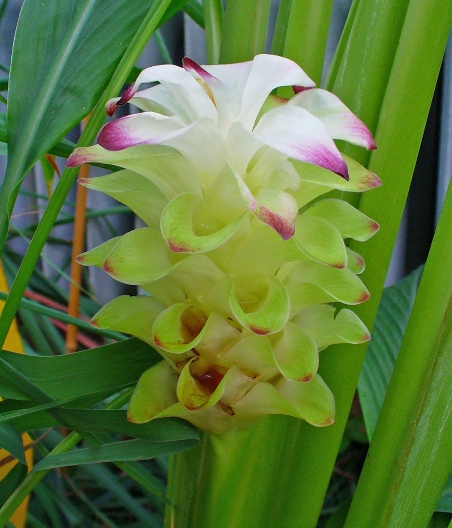
The plant has another surprise in store: its flowering. Its inflorescences are composed of overlapping bracts, between which small flowers appear. They serve as a reminder that turmeric belongs to the Zingiberaceaefamily, just like theshell ginger and the spectacular torch ginger.

At the Jardin de Valombreuse, turmeric offers a chance to discover the plant behind a familiar spice and to observe the astonishing diversity of aromatic plants grown in the tropical climate of Guadeloupe.

Découvrez nos autres espèces botaniques
Ceylon Cinnamon
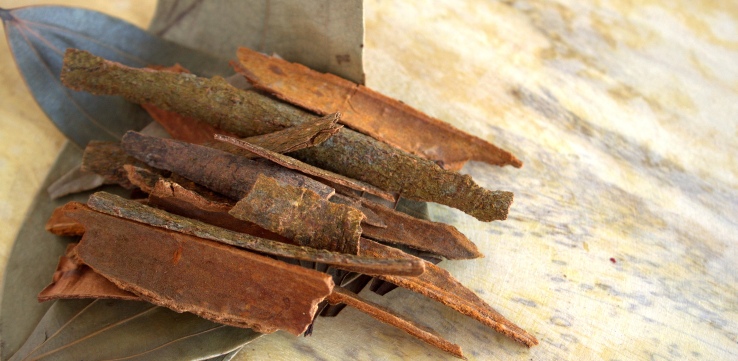
Ceylan Cinnamon is one of the oldest and most recognizable spices in the world. But before it becomes the fragrant sticks in our kitchens, it is the bark of a tropical tree: the cinnamon tree, cultivated for the powerful aromas contained within its young branches.
Découvrir l’espèce
Ginger
Known worldwide for its rhizome with a fresh, lemony, and spicy flavor, ginger is a tropical plant that has been cultivated as a spice for centuries. Beneath its slender foliage hides the most sought-after part of the plant: a fleshy and highly aromatic rhizome.
Découvrir l’espèce
Basil
Highly prized for the intense fragrance of its leaves, basil is an aromatic plant grown in many tropical regions. In Guadeloupe, it grows year-round and comes in several varieties with sometimes surprising aromas, ranging from traditional sweet basil to lemon or cinnamon basil.
Découvrir l’espèce