Cinnamomum verum

Ceylon Cinnamon

Ceylan Cinnamon is one of the oldest and most recognizable spices in the world. But before it becomes the fragrant sticks in our kitchens, it is the bark of a tropical tree: the cinnamon tree, cultivated for the powerful aromas contained within its young branches.
Visible au jardin
Nos espèces
Lauraceae
Nom scientifique :
Cinnamomum verum
Nom vernaculaire :
Ceylan Cinnamon
Carte d’identité
de l’espèce
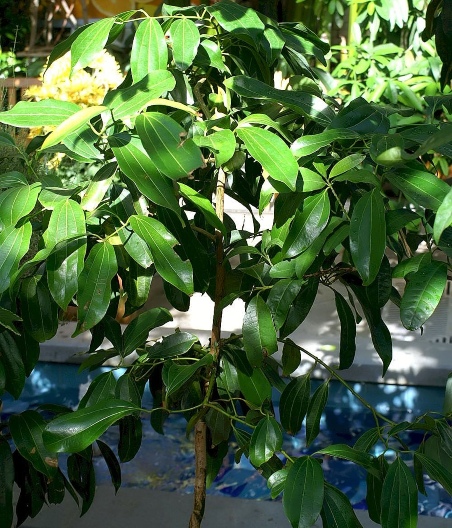
The Ceylon cinnamon tree is a tropical evergreen belonging to the Lauraceae family. Its leathery, aromatic leaves feature several distinct longitudinal veins. However, it is the inner bark of its young branches that is most prized: as it dries, it naturally curls inward to form the iconic cinnamon sticks.
Famille :
Lauraceae
Origine géographique :
Sri Lanka
Taille :
10 to 15 meters
Floraison :
January to April
Habitat :
Hot and humid tropical regions, in well-drained soil
Classe :
Magnoliopsida
Ordre :
Laurales

From the cinnamon tree to the cinnamon stick

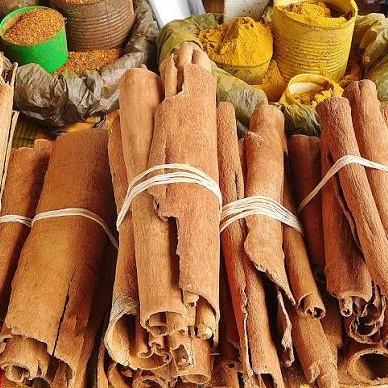
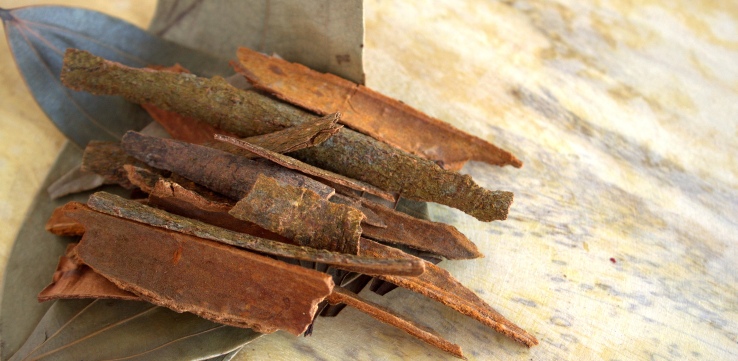
The cinnamon we use in cooking comes from the bark of the cinnamon tree (Cinnamomum verum). After being harvested from young stems, the outer layer of the bark is removed to keep the inner bark, which is thinner and particularly aromatic. As it dries, it curls up to form thin, overlapping layers: this is how cinnamon sticksare made.

Native to Sri Lanka, formerly known as Ceylon, Cinnamomum verum is considered the source of Ceylon cinnamon or "true cinnamon." It should not be confused with the various types of cassia cinnamon, which come from other species of the Cinnamomum genus and are also widely sold as spices.

In the West Indies, cinnamon is deeply rooted in culinary traditions. Its warm, slightly sweet aroma complements desserts, cakes, drinks, and Creole dishes. It is also a key ingredient in many infused punches (to be consumed in moderation) and flavors herbal teas, often paired with other plants and spices.

The cinnamon tree also has a unique feature that is easily noticed when crushing its leaves: they are aromatic as well. Its small flowers, much less conspicuous than its fragrant bark, grow in clusters and eventually give way to small fruits.

At the Jardin de Valombreuse, the cinnamon tree offers a chance to discover the plant behind a familiar spice. It joins the West Indian bay leaf tree, another tree whose aromatic leaves are iconic in Caribbean cuisine, as well as the Ginger, which is grown for its rhizome. Whether bark, leaf, or rhizome, various parts of tropical plants have become essential ingredients in Creole cuisine.

Découvrez nos autres espèces botaniques
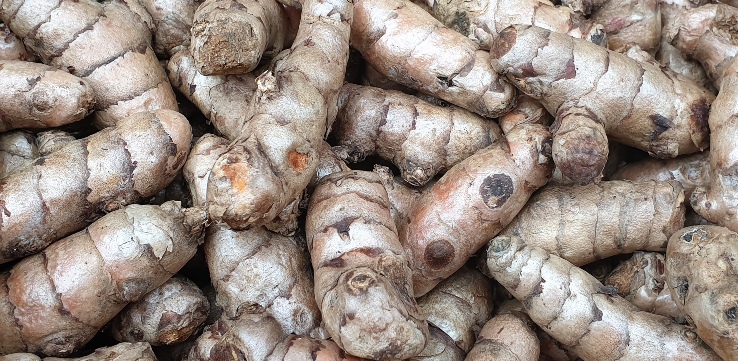
Turmeric
Known for the intense yellow color of its rhizome, turmeric is an aromatic tropical plant from the same family as ginger. Used as a spice and natural coloring agent, it also produces lush foliage and particularly decorative inflorescences.
Découvrir l’espèce
Ginger
Known worldwide for its rhizome with a fresh, lemony, and spicy flavor, ginger is a tropical plant that has been cultivated as a spice for centuries. Beneath its slender foliage hides the most sought-after part of the plant: a fleshy and highly aromatic rhizome.
Découvrir l’espèce
Basil
Highly prized for the intense fragrance of its leaves, basil is an aromatic plant grown in many tropical regions. In Guadeloupe, it grows year-round and comes in several varieties with sometimes surprising aromas, ranging from traditional sweet basil to lemon or cinnamon basil.
Découvrir l’espèce