Cymbopogon citratus

Lemongrass

With its long green leaves and powerful citrus scent, lemongrass is a staple aromatic plant in tropical gardens. Widely found in the Caribbean, it is prized both for its culinary uses and for preparing traditional herbal teas.
Visible au jardin
Nom scientifique :
Cymbopogon citratus
Nom vernaculaire :
Lemongrass
Carte d’identité
de l’espèce
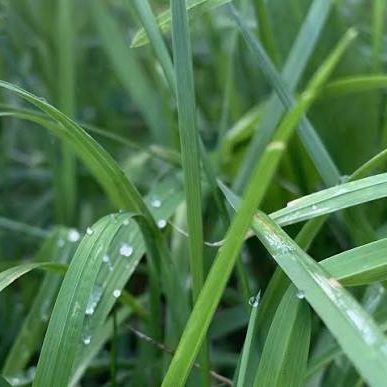
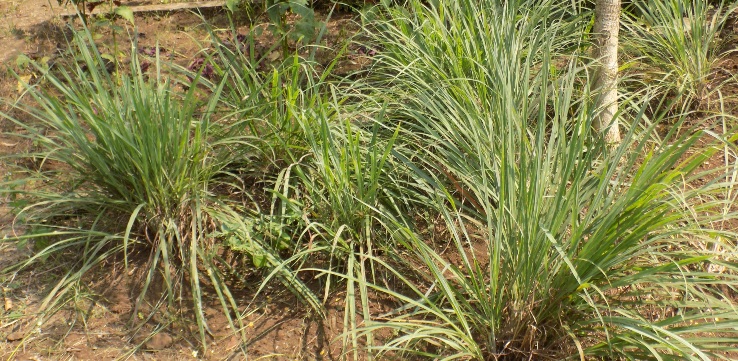
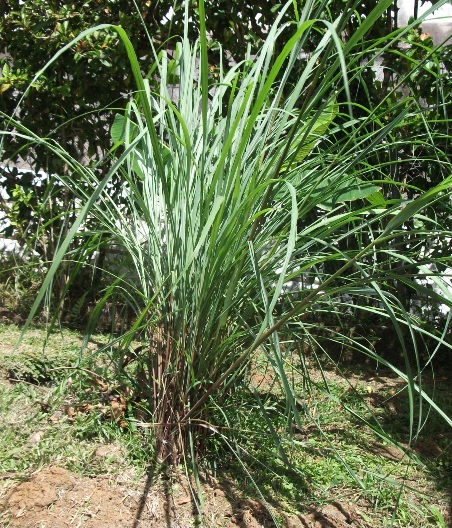
Lemongrass is a large perennial grass that forms dense clumps of long, narrow, drooping leaves. When crushed, they immediately release their characteristic citrus fragrance, largely due to their high citral content. It belongs to the Poaceae family, the same as grasses and cereals.
Famille :
Poaceae
Origine géographique :
Tropical Asia
Taille :
Approximately 1 to 2 meters
Floraison :
September to February
Habitat :
Habitat: Warm, sunny tropical regions with well-drained soil
Classe :
Liliopsida (Monocots)
Ordre :
Poales

A staple aromatic plant in the Caribbean

Lemongrass (Cymbopogon citratus) is easily recognizable by its long, ribbon-like leaves that release a strong citrus scent as soon as they are crushed. Cultivated in many tropical regions, it holds a special place in Creole gardens and traditional Caribbean practices.

In Guadeloupe, its leaves are commonly used to prepare infusions and herbal teas. Their fresh, lemony fragrance makes them perfect for drinking on their own or blended with other aromatic plants. Lemongrass is also a kitchen staple, used to flavor broths, sauces, and various dishes. In other tropical cuisines, particularly in Southeast Asia, the fleshy base of the stalks is a widely used aromatic.

Its characteristic scent comes from its essential oil, which is particularly rich in citralLemongrass is also well-known for its traditional use as a mosquito repellent. Its essential oil is a common ingredient in various repellent products, although simply having a lemongrass plant in your garden is not enough on its own to protect you from bites.

At the Jardin de Valombreuse, lemongrass offers a glimpse into another facet of tropical vegetation: plants whose scents are an integral part of Caribbean cuisine and traditions. It can be compared to the West Indian Bay leaf, another iconic aromatic plant of the Caribbean, or theAtoumo, whose leaves are also traditionally prepared as an infusion.

Découvrez nos autres espèces botaniques
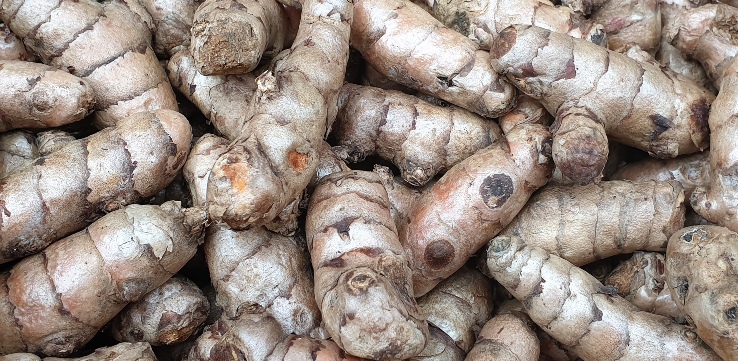
Turmeric
Known for the intense yellow color of its rhizome, turmeric is an aromatic tropical plant from the same family as ginger. Used as a spice and natural coloring agent, it also produces lush foliage and particularly decorative inflorescences.
Découvrir l’espèce
Ceylon Cinnamon
Ceylan Cinnamon is one of the oldest and most recognizable spices in the world. But before it becomes the fragrant sticks in our kitchens, it is the bark of a tropical tree: the cinnamon tree, cultivated for the powerful aromas contained within its young branches.
Découvrir l’espèce
Ginger
Known worldwide for its rhizome with a fresh, lemony, and spicy flavor, ginger is a tropical plant that has been cultivated as a spice for centuries. Beneath its slender foliage hides the most sought-after part of the plant: a fleshy and highly aromatic rhizome.
Découvrir l’espèce