Bixa orellana

Annatto

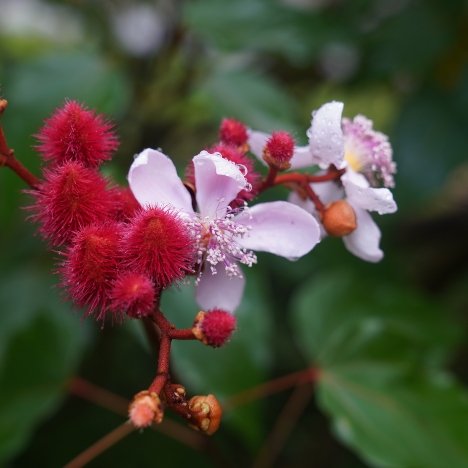
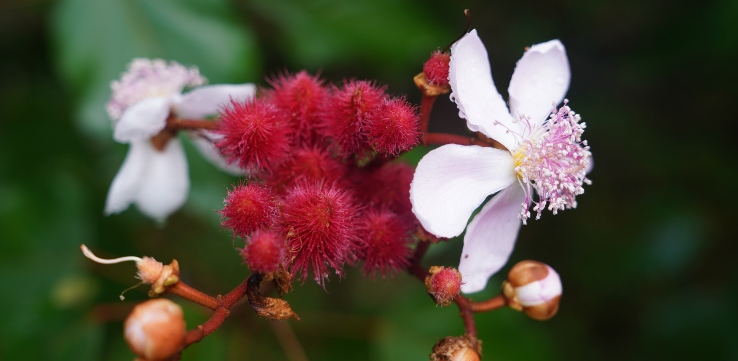
Recognizable by its spiky fruits filled with small, intensely red seeds, annatto is a tropical plant deeply rooted in the history and traditions of the Caribbean. In Guadeloupe, its oil is still used in cooking, as well as during Carnival and for various traditional purposes.
Visible au jardin
Nom scientifique :
Bixa orellana
Nom vernaculaire :
Annatto
Carte d’identité
de l’espèce
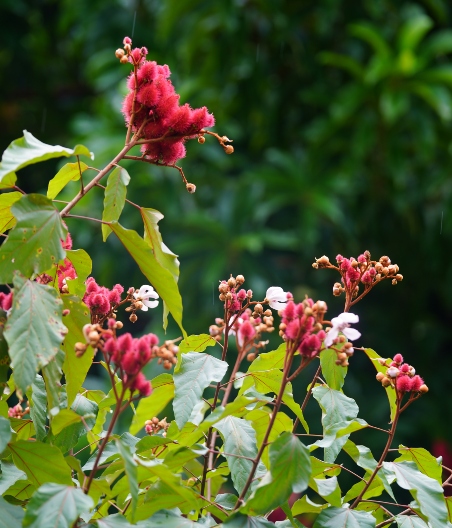
Annatto is a shrub or small tree native to tropical America. After flowering, it produces capsules covered in soft spikes that open at maturity to reveal numerous red seeds. These are rich in natural pigments, particularly bixin, which gives annatto its characteristic orange-red color.
Famille :
Bixaceae
Origine géographique :
Tropical America
Taille :
Approximately 2 to 8 meters
Floraison :
Varies depending on climate and growing conditions
Habitat :
Warm and humid tropical regions
Classe :
Magnoliopsida
Ordre :
Malvales

Annatto: Red seeds at the heart of Guadeloupean traditions

Annatto (Bixa orellana) is one of those tropical plants whose uses go far beyond its ornamental appeal. Its seeds are coated in an orange-red substance that is particularly rich in pigments. They are notably used to produceannatto oil, traditionally obtained by macerating the seeds in vegetable oil.

In Guadeloupe, annatto naturally finds its place in Creole cuisine. Its oil is used to add color and flavor to various dishes, most notably the traditional fish court-bouillon. The pigments extracted from its seeds are also known as annatto and are used today as food coloring in many countries.

Roucou is also linked to one of the most vibrant traditions in Guadeloupe: the carnival. Some participating groups use roucou oil or pigments to color their skin and achieve that characteristic orange-red hue. The plant's pigments had long been used by various indigenous peoples of tropical America for body painting.

In traditional Caribbean practices, roucou oil is also applied to the skin, notably to repel insects or when exposed to the sun. These are popular uses of the plant and do not replace the need for proper sun protection against UV rays.

Observing the roucou at the Jardin de Valombreuse is a great way to discover a plant that is botanical, cultural, and culinary all at once. Much like the cacao tree or the bay rum tree, the roucou bears witness to the close ties that have long united tropical plants, cuisine, and Caribbean traditions.

Découvrez nos autres espèces botaniques
Turmeric
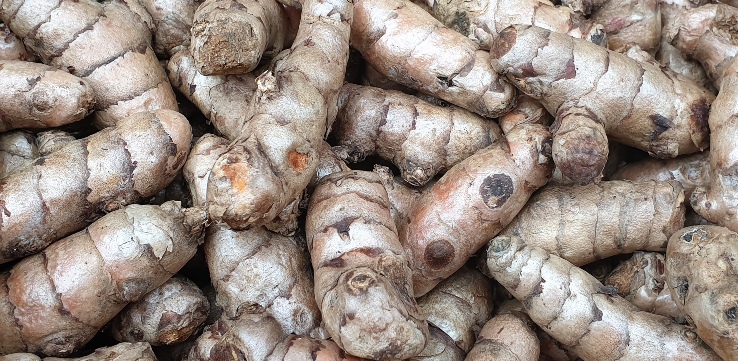
Known for the intense yellow color of its rhizome, turmeric is an aromatic tropical plant from the same family as ginger. Used as a spice and natural coloring agent, it also produces lush foliage and particularly decorative inflorescences.
Découvrir l’espèce
Ceylon Cinnamon
Ceylan Cinnamon is one of the oldest and most recognizable spices in the world. But before it becomes the fragrant sticks in our kitchens, it is the bark of a tropical tree: the cinnamon tree, cultivated for the powerful aromas contained within its young branches.
Découvrir l’espèce
Ginger
Known worldwide for its rhizome with a fresh, lemony, and spicy flavor, ginger is a tropical plant that has been cultivated as a spice for centuries. Beneath its slender foliage hides the most sought-after part of the plant: a fleshy and highly aromatic rhizome.
Découvrir l’espèce