



Spondias dulcis
June Plum
Widely found in Creole gardens, the ambarella is prized for its crunchy and refreshing fruit. Harvested ripe or still green depending on its use, it is incorporated into many traditional West Indian recipes.
Visible au jardin


Carte d’identité
de l’espèce
de l’espèce
Native to the Pacific Islands, this fruit tree has gradually established itself in many tropical regions. Its dense foliage provides welcome shade, and its fruits have been consumed for generations in the Caribbean. Easy to cultivate in a tropical climate, it is now a common sight in many Creole gardens.
Famille :
Anacardiaceae
Origine géographique :
Polynesia and Melanesia
Taille :
10 to 20 meters
Floraison :
February to May
Habitat :
July to December
Classe :
Magnoliopsida (Dicotyledons)
Ordre :
Sapindales

An essential fruit of the West Indies
The ambarella produces oval fruits with green skin that turns yellow when ripe. Its flesh is firm, juicy, and slightly tart. In the West Indies, it is eaten fresh, in juice, jam, salad, or prepared in marinades and condiments.
Beyond its fruit production, this tree also provides a refuge for many birds and insects. Its blossoms attract pollinators, while its foliage provides coolness and shade. Like the cocoa tree, the annatto or the calabash tree, it is a testament to the richness of food-producing plants found in tropical gardens.
Découvrez nos autres espèces botaniques
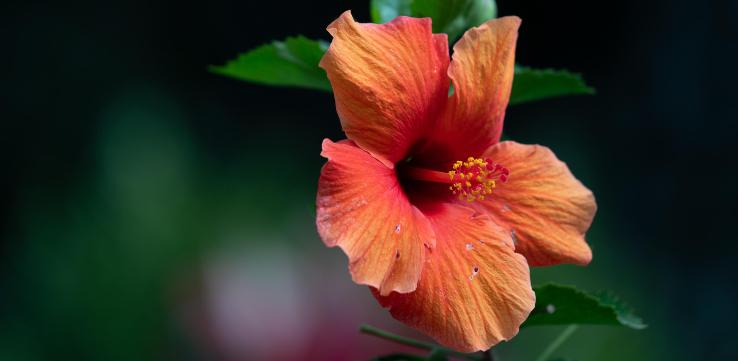
Hibiscus
With its large, colorful flowers that bloom almost year-round in the Caribbean climate, the Chinese hibiscus is one of the most iconic tropical flowers for gardens. Depending on the variety, its blooms come in red, pink, orange, yellow, or white, contrasting beautifully with its lush, glossy green foliage.
Découvrir l’espèce

Guadeloupe Vanilla
Two types of vanilla grow at the Jardin de Valombreuse: Vanilla planifolia, which produces the majority of the world's vanilla, and Vanilla pompona, known in the West Indies as "vanillon." These two climbing orchids, with their distinct pods and aromas, also tell the story of vanilla in Guadeloupe.
Découvrir l’espèce
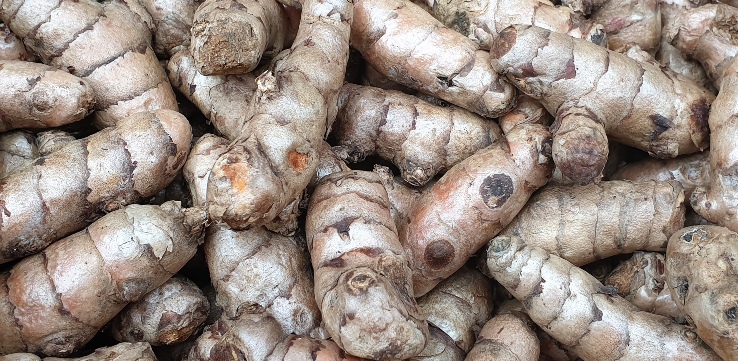
Turmeric
Known for the intense yellow color of its rhizome, turmeric is an aromatic tropical plant from the same family as ginger. Used as a spice and natural coloring agent, it also produces lush foliage and particularly decorative inflorescences.
Découvrir l’espèce