



Adansonia digitata
African Baobab
Nicknamed the tree of life, the African baobab impresses with its massive trunk and exceptional longevity. A true symbol of the African continent, it has been used for centuries for its fruits, leaves, and numerous resources.
Visible au jardin


Carte d’identité
de l’espèce
de l’espèce
Native to the African savannas, the baobab is one of the most iconic trees in the tropical world. Its swollen trunk allows it to store significant water reserves to withstand long periods of drought. Its characteristic silhouette, often compared to an upside-down tree, makes it easily recognizable.
Famille :
Malvaceae
Origine géographique :
Sub-Saharan Africa
Taille :
5 to 25 meters
Floraison :
May to September
Habitat :
Savannas, dry and semi-arid tropical zones
Classe :
Magnoliopsida (Dicotyledons)
Ordre :
Malvales

A giant capable of storing water
The African baobab is famous for its spectacular trunk, which can reach several meters in diameter. This structure allows it to store large quantities of water to survive during periods of drought. Its large white flowers generally open at dusk and are primarily pollinated by bats.
Its fruits, known as "monkey bread," contain a pulp naturally rich in vitamin C. The leaves, seeds, and bark have also long been used in many parts of Africa. Like the calabash tree, the June plum or the cocoa tree, it highlights the importance of useful trees in tropical cultures.
Découvrez nos autres espèces botaniques
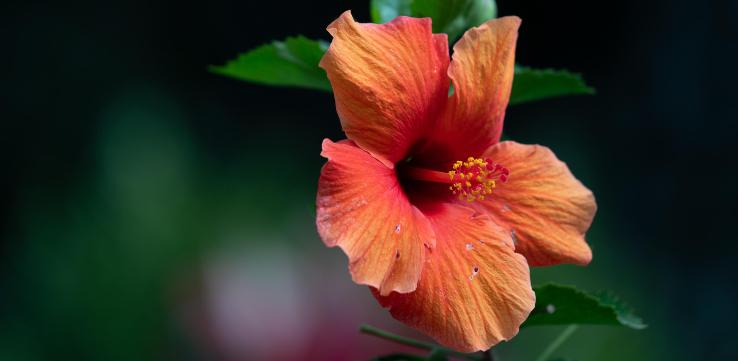
Hibiscus
With its large, colorful flowers that bloom almost year-round in the Caribbean climate, the Chinese hibiscus is one of the most iconic tropical flowers for gardens. Depending on the variety, its blooms come in red, pink, orange, yellow, or white, contrasting beautifully with its lush, glossy green foliage.
Découvrir l’espèce

Guadeloupe Vanilla
Two types of vanilla grow at the Jardin de Valombreuse: Vanilla planifolia, which produces the majority of the world's vanilla, and Vanilla pompona, known in the West Indies as "vanillon." These two climbing orchids, with their distinct pods and aromas, also tell the story of vanilla in Guadeloupe.
Découvrir l’espèce
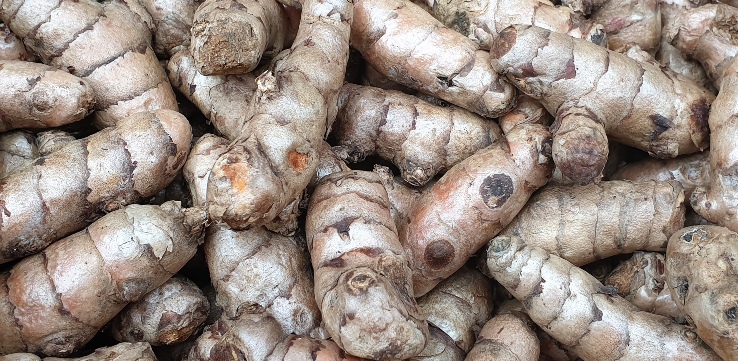
Turmeric
Known for the intense yellow color of its rhizome, turmeric is an aromatic tropical plant from the same family as ginger. Used as a spice and natural coloring agent, it also produces lush foliage and particularly decorative inflorescences.
Découvrir l’espèce