



Quassia amara
Bitterwood
Used in local traditions, Bitterwood is a tropical plant known for its bitter taste and popular uses.


Carte d’identité
de l’espèce
de l’espèce
A medicinal tropical tree, Bitterwood is valued for its traditional properties and light foliage.
Famille :
Simaroubacar
Origine géographique :
Tropical America
Taille :
2 to 6 meters
Floraison :
All year round with a peak from March to August
Habitat :
Tropical rainforests and sunny areas
Classe :
Magnoliopsida (Dicotyledons)
Ordre :
Sapindales

A medicinal plant with a very bitter taste
Bitterwood is a tropical plant long used in traditional pharmacopoeias. Its wood and leaves are known for their particularly bitter taste. In the West Indies, it is often used in infusions or macerations in local preparations.
This plant thrives in warmth and humidity. Its small, bright red flowers contrast with its glossy green foliage. Like the shell ginger (Alpinia zerumbet) or the Doliprane (Plectranthus barbatus), it is one of the emblematic medicinal plants of Creole gardens.
Découvrez nos autres espèces botaniques
Hibiscus
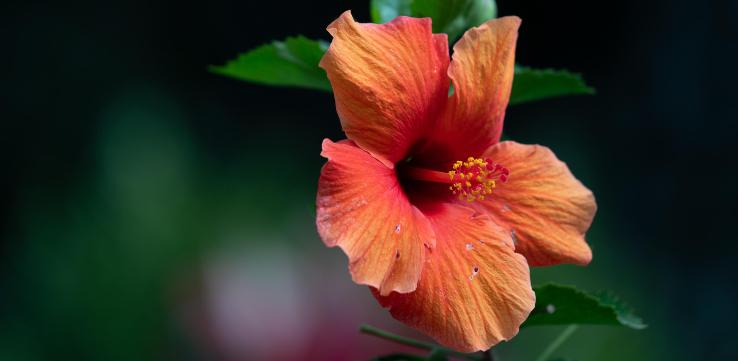
With its large, colorful flowers that bloom almost year-round in the Caribbean climate, the Chinese hibiscus is one of the most iconic tropical flowers for gardens. Depending on the variety, its blooms come in red, pink, orange, yellow, or white, contrasting beautifully with its lush, glossy green foliage.
Découvrir l’espèce

Guadeloupe Vanilla
Two types of vanilla grow at the Jardin de Valombreuse: Vanilla planifolia, which produces the majority of the world's vanilla, and Vanilla pompona, known in the West Indies as "vanillon." These two climbing orchids, with their distinct pods and aromas, also tell the story of vanilla in Guadeloupe.
Découvrir l’espèce
Turmeric
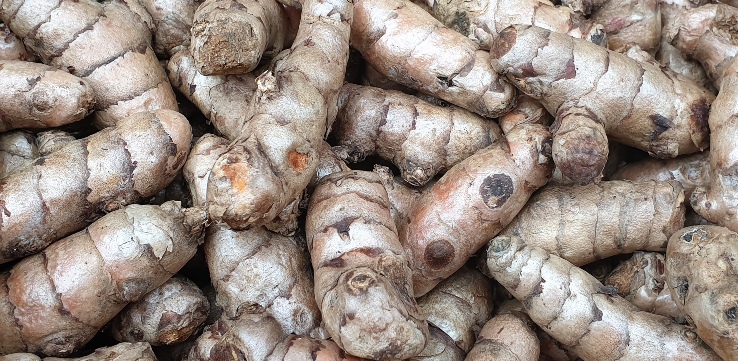
Known for the intense yellow color of its rhizome, turmeric is an aromatic tropical plant from the same family as ginger. Used as a spice and natural coloring agent, it also produces lush foliage and particularly decorative inflorescences.
Découvrir l’espèce