



Pseudobombax ellipticum
Shaving brush tree
An original tropical tree, the Pseudobombax ellipticum impresses with its spectacular flowers in the shape of a very decorative pink pompom.
Visible au jardin


Carte d’identité
de l’espèce
de l’espèce
This tree surprises with its pompom-shaped blossoms. Visible especially when it loses its leaves, it easily attracts attention.
Famille :
Malvaceae
Origine géographique :
Mexico and Central America
Taille :
Tree from 6 to 15m
Floraison :
January to April
Habitat :
Tropical dry forests and tropical gardens
Classe :
Magnoliopsida
Ordre :
Malvaux

The Shaving brush tree also called Bombax in Guadeloupe is known for its large brush-shaped flowers composed of long pink or white stamens. These flowers often appear when the tree loses its leaves. This strategy makes it possible to make flowering very visible for pollinating insects.
At the Jardin de Valombreuse, this tree located just next to the Kaz in Magguy attracts attention during its flowering period. This tree enjoys sunny areas and well-drained soils. It is grown in tropical gardens for its original appearance and remarkable flowering.
Découvrez nos autres espèces botaniques
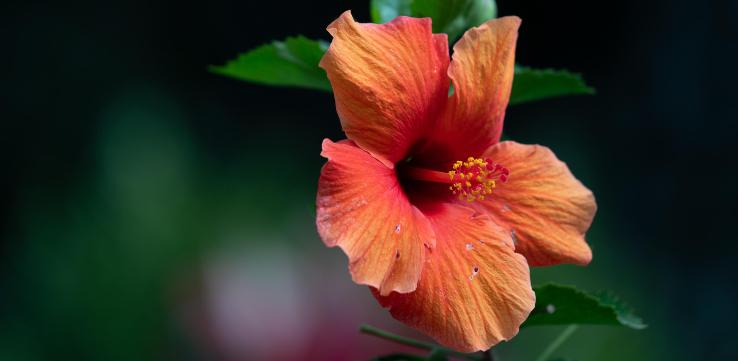
Hibiscus
With its large, colorful flowers that bloom almost year-round in the Caribbean climate, the Chinese hibiscus is one of the most iconic tropical flowers for gardens. Depending on the variety, its blooms come in red, pink, orange, yellow, or white, contrasting beautifully with its lush, glossy green foliage.
Découvrir l’espèce

Guadeloupe Vanilla
Two types of vanilla grow at the Jardin de Valombreuse: Vanilla planifolia, which produces the majority of the world's vanilla, and Vanilla pompona, known in the West Indies as "vanillon." These two climbing orchids, with their distinct pods and aromas, also tell the story of vanilla in Guadeloupe.
Découvrir l’espèce
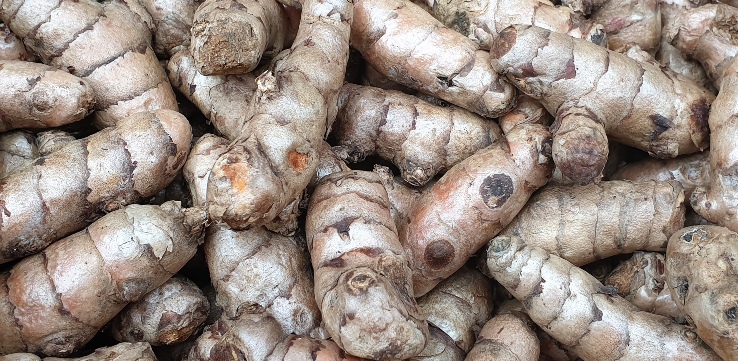
Turmeric
Known for the intense yellow color of its rhizome, turmeric is an aromatic tropical plant from the same family as ginger. Used as a spice and natural coloring agent, it also produces lush foliage and particularly decorative inflorescences.
Découvrir l’espèce