



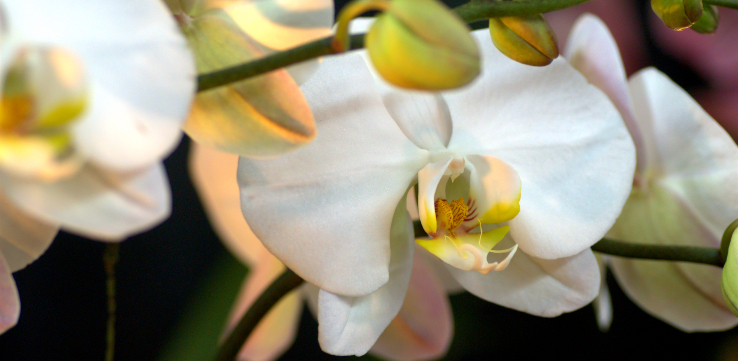
Phalaenopsis 'Sogo Yukidian V3'
V3 Moth orchid
A spectacular variety, this white orchid is distinguished by its large elegant flowers that are widely used in decoration.
Visible au jardin

Carte d’identité
de l’espèce
de l’espèce
A hybrid tropical orchid, this variety is appreciated for its generous flowering and its long life span.
Famille :
Orchidaceae
Origine géographique :
Horticultural hybrid (Asian origin of the genus)
Taille :
40 to 80cm
Floraison :
All year round
Habitat :
Humid tropical environments, often grown indoors or under shade
Classe :
Liliopsida (Monocotyledons)
Ordre :
Asparagales

An elegant and durable tropical orchid
The Phalaenopsis 'Sogo Yukidian V3' is a hybrid orchid known for its large, perfectly formed white flowers. Its flowering can last several weeks, making it a very popular plant for decoration.
This orchid appreciates soft light, good humidity, and light ventilation. Like the Coelogyne mayeriana, it can grow in an airy environment, often on a support. It perfectly illustrates the diversity and elegance of tropical orchids.
Découvrez nos autres espèces botaniques
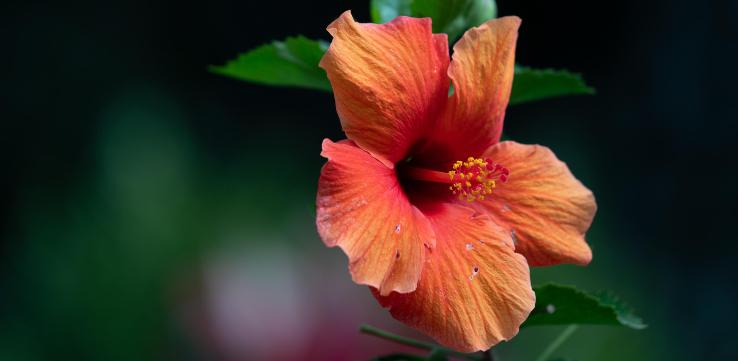
Hibiscus
With its large, colorful flowers that bloom almost year-round in the Caribbean climate, the Chinese hibiscus is one of the most iconic tropical flowers for gardens. Depending on the variety, its blooms come in red, pink, orange, yellow, or white, contrasting beautifully with its lush, glossy green foliage.
Découvrir l’espèce

Guadeloupe Vanilla
Two types of vanilla grow at the Jardin de Valombreuse: Vanilla planifolia, which produces the majority of the world's vanilla, and Vanilla pompona, known in the West Indies as "vanillon." These two climbing orchids, with their distinct pods and aromas, also tell the story of vanilla in Guadeloupe.
Découvrir l’espèce
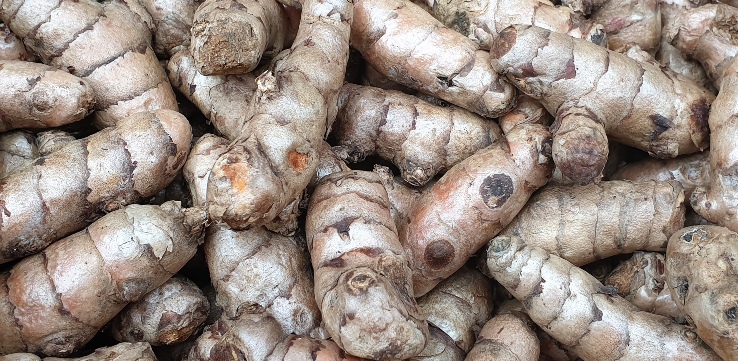
Turmeric
Known for the intense yellow color of its rhizome, turmeric is an aromatic tropical plant from the same family as ginger. Used as a spice and natural coloring agent, it also produces lush foliage and particularly decorative inflorescences.
Découvrir l’espèce