



Holmskioldia sanguinea
Chinese Hat Plant
Recognizable by its red flowers surrounded by a small hat-shaped calyx, this tropical plant immediately catches the eye in gardens.
Visible au jardin


Carte d’identité
de l’espèce
de l’espèce
Native to tropical regions of Asia, the Chinese hat plant is an ornamental plant prized for its abundant and colorful blooms. Its unique shape gives it its common name. Highly floriferous, it also attracts various pollinating insects.
Famille :
Lamiaceae
Origine géographique :
Himalayas and tropical Asia
Taille :
2 to 5 meters
Floraison :
almost year-round with a peak from December to May
Habitat :
sunny tropical zones and well-drained soils
Classe :
Magnoliopsida (Dicotyledons)
Ordre :
Lamiales

Unique and decorative blooms
The Chinese hat plant is a shrubby tropical plant known for its red tubular flowers surrounded by a colorful, hat-shaped calyx. This very distinctive structure gives the plant its spectacular appearance.
This plant thrives in warmth and bright light. Like the blue butterfly pea (Clitoria ternatea) or the jade vine (Strongylodon macrobotrys), it adds verticality and color to tropical gardens. Its blooms also attract many pollinators.
Découvrez nos autres espèces botaniques
Hibiscus
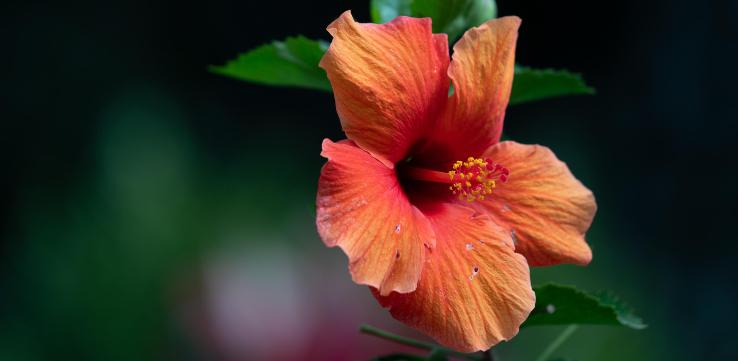
With its large, colorful flowers that bloom almost year-round in the Caribbean climate, the Chinese hibiscus is one of the most iconic tropical flowers for gardens. Depending on the variety, its blooms come in red, pink, orange, yellow, or white, contrasting beautifully with its lush, glossy green foliage.
Découvrir l’espèce

Guadeloupe Vanilla
Two types of vanilla grow at the Jardin de Valombreuse: Vanilla planifolia, which produces the majority of the world's vanilla, and Vanilla pompona, known in the West Indies as "vanillon." These two climbing orchids, with their distinct pods and aromas, also tell the story of vanilla in Guadeloupe.
Découvrir l’espèce
Turmeric
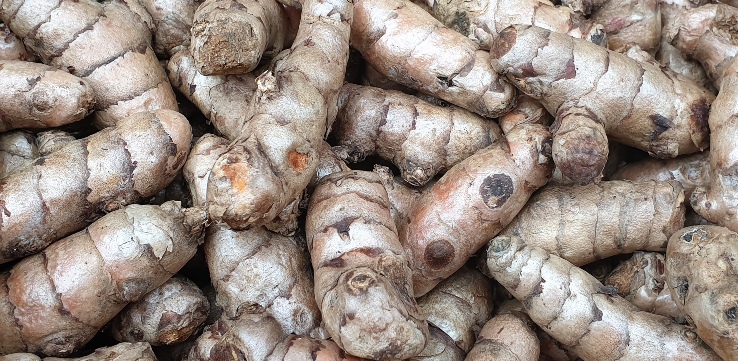
Known for the intense yellow color of its rhizome, turmeric is an aromatic tropical plant from the same family as ginger. Used as a spice and natural coloring agent, it also produces lush foliage and particularly decorative inflorescences.
Découvrir l’espèce